
Table of Contents
🧠 Understanding Anxiety in a High-Energy Environment
Living in a vibrant, high-energy community like Sarasota has wonderful benefits, but the constant activity can also contribute to feelings of anxiety and pressure. While everyone experiences anxiety at times, it can become a persistent and overwhelming challenge that interferes with your work, relationships, and ability to enjoy life. When anxiety becomes chronic, it can affect daily life and personal happiness. (World Health Organization, 2017)
Understanding the nature of your anxiety is the first, empowering step toward taking control and finding a path to calm.

⚠️ Recognizing the Signs and Symptoms of Anxiety
Anxiety manifests differently for each individual, but it often involves a combination of physical and emotional symptoms. Recognizing these signs is vital for early intervention. (American Psychiatric Association, 2022) You may benefit from support if you experience:
- Persistent and excessive worry or a sense of dread.
- Restlessness, irritability, or feeling constantly “on edge.”
- Difficulty concentrating or finding that your mind goes blank.
- Physical symptoms like a racing heart, muscle tension, or trouble sleeping.
- Avoiding situations or places that trigger your anxious feelings.
✅ Strategies for Managing Anxiety in Sarasota

While professional therapy offers the most effective path for deep, lasting change, integrating daily self-care strategies can provide significant relief.
- Ground Yourself in Nature: Sarasota’s beautiful landscape can be a natural remedy. A quiet walk to watch the sunset on Lido Beach or exploring the serene, shaded trails at Myakka River State Park can be powerful grounding techniques that calm the nervous system. (Korpela et al., 2018)
- Practice Mindfulness: Simple techniques like deep breathing and meditation encourage living in the present moment, which can ease anxious thoughts and foster a sense of calm. (Khoury et al., 2013)
- Build a Support System: A strong support network is vital. Encouraging open communication with loved ones can foster resilience, while local community resources and support groups can provide a sense of camaraderie. (Wang et al., 2022)
- Prioritize a Healthy Lifestyle: Regular exercise, a balanced diet, and sufficient sleep are foundational habits that have been shown to lower anxiety levels and support both mental and physical health. (Schuch et al., 2019; Jacka et al., 2010)
💬 When to Seek Professional Support
Self-care strategies are important, but when anxiety is persistent, professional support provides the most effective path to lasting change. In his work with clients, Dr. Charles R. Davenport offers an insight-oriented approach to anxiety treatment. While approaches like CBT are effective, Dr. Davenport’s focus on psychodynamic and interpersonal therapy helps you explore and understand the deeper, root causes of your anxiety, leading to more profound and sustainable healing.
📞 Take the First Step Toward a Calmer You
You don’t have to navigate the challenges of anxiety alone. A calmer, more controlled life is possible.
👉 Call (941) 321-1971 or contact us online to schedule a confidential consultation at our Sarasota or Venice office.
🔗 Explore Other Areas of Support
Anxiety is often connected to other life challenges. You may also find it helpful to explore our primary page on:
About the Author
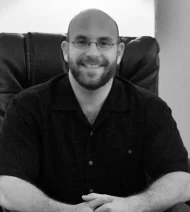
Dr. Charles R. Davenport is a licensed psychologist with private practices in Sarasota and Venice, FL. An alumnus of Sarasota’s renowned Pine View School, he is dedicated to providing compassionate, insight-oriented therapy to the community he has long called home.
References
American Psychiatric Association. (2022). Diagnostic and statistical manual of mental disorders (5th ed., text rev.; DSM-5-TR).
Hofmann, S. G., Asnaani, A., Vonk, I. J., Sawyer, A. T., & Fang, A. (2012). The efficacy of cognitive behavioral therapy: A review of meta-analyses. Cognitive Therapy and Research, 36(5), 427–440.
Jacka, F. N., Mykletun, A., Berk, M., Bjelland, I., & Tell, G. S. (2010). The association between habitual diet quality and the common mental disorders in community-dwelling adults: the Hordaland Health Study. Psychosomatic Medicine, 72(6), 587-594.
Khoury, B., Lecomte, T., Fortin, G., Masse, M., Therien, P., Bouchard, V., … & Hofmann, S. G. (2013). Mindfulness-based therapy: A comprehensive meta-analysis. Clinical Psychology Review, 33(6), 763-771.
Korpela, K., Borodulin, K., Neuvonen, M., Paronen, O., & Tyrväinen, L. (2018). Analyzing the mediators between nature-based outdoor recreation and emotional well-being. Journal of Environmental Psychology, 59, 1-7.
National Institute for Health and Care Excellence (NICE). (2020). Generalised anxiety disorder and panic disorder in adults: Management (NICE Guideline CG113).
Schuch, F. B., Stubbs, B., Meyer, J., et al. (2019). Physical activity protects from incident anxiety: A meta-analysis of prospective cohort studies. Depression and Anxiety, 36(9), 846–858.
Wang, J., Mann, F., Lloyd-Evans, B., Ma, R., & Johnson, S. (2022). Associations between loneliness and perceived social support and outcomes of mental health problems: A systematic review. BMC Psychiatry, 22(1), 309.
World Health Organization. (2017). Depression and other common mental disorders: global health estimates.