
Table of Contents
🧠 Why Communication Matters in Relationships

Communication is the foundation of every healthy relationship. Yet, many couples—both in Sarasota and beyond—struggle to express themselves effectively, leading to frequent misunderstandings and conflict. Without clear and respectful dialogue, unresolved issues can erode the trust and intimacy that make a partnership thrive.
Renowned relationship research shows that the presence of negative patterns—such as criticism, contempt, and defensiveness—is a strong predictor of long-term distress. (Gottman & Silver, 2015). Learning new skills to break these cycles is a proactive and courageous step toward a stronger bond.
✅ Three Actionable Tips to Improve Communication
These practical, science-backed tips can help you and your partner connect more deeply.
1. Practice Active Listening
Active listening means giving your partner your full attention and truly hearing their perspective, rather than simply waiting for your turn to speak. It involves eliminating distractions, asking clarifying questions, and summarizing what you’ve heard before you respond. Couples who practice active listening show stronger mutual understanding and emotional safety. (Rogers & Farson, 1957; Weger et al., 2014)
2. Express Yourself Clearly and Kindly
A gentle, non-blaming approach can prevent a difficult conversation from escalating into a conflict. Using “I” statements (e.g., “I feel worried when…” instead of “You always…”) is a powerful tool to express your own feelings without making your partner defensive. Being specific about your needs, rather than making general complaints, builds trust and emotional intimacy. (Burnett et al., 2020)
3. Set Aside Time for Meaningful Conversations
Intentional, regular communication nurtures a deeper connection. Schedule a weekly “relationship check-in” with devices put away. Instead of another night scrolling, try a sunset walk on Venice Beach or coffee in downtown Sarasota. Use this time to strengthen your knowledge of your partner’s world and address issues before they escalate. (Gottman & Silver, 2015)
💬 How Sarasota Couples Counseling Can Help
While these tips are a great start, breaking deeply entrenched negative cycles often requires professional guidance. In his work, Dr. Charles R. Davenport provides a supportive setting where both partners can learn constructive communication skills.
Couples counseling provides a structured environment to develop empathy, strengthen your friendship, and create shared meaning. It is a powerful investment in the future of your relationship. (Lebow & Snyder, 2022)

📞 Take the First Step Toward a Stronger Partnership
A more connected and fulfilling relationship is possible. If you’re ready to break out of old patterns and build a healthier future, professional support can provide effective guidance.
👉 Call (941) 321-1971 or contact us online to schedule a confidential consultation at our Sarasota or Venice office.
🔗 Explore Other Areas of Support
Challenges within a relationship are often connected to other areas of life. You may also find it helpful to explore our primary page on:
About the Author
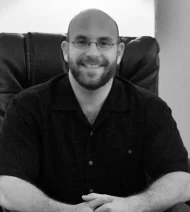
Dr. Charles R. Davenport is a licensed psychologist with private practices in Sarasota and Venice, FL. An alumnus of Sarasota’s renowned Pine View School, he is dedicated to providing compassionate, insight-oriented therapy to the community he has long called home.
References
Burnett, S., et al. (2020). The effectiveness of I-statements in couple communication. Family Relations, 69(3), 457–468.
Gottman, J. M., & Silver, N. (2015). The Seven Principles for Making Marriage Work. Harmony Books.
Lebow, J., & Snyder, D. K. (2022). Couple therapy in the 2020s: Current status and emerging developments. Frontiers in Psychology, 14, 10087549.
Rogers, C. R., & Farson, R. E. (1957). Active Listening. Industrial Relations Center, University of Chicago.
Weger, H., et al. (2014). The relative effectiveness of active listening in initial interactions. International Journal of Listening, 28(1), 13–31.